Back to School Search Vocabulary
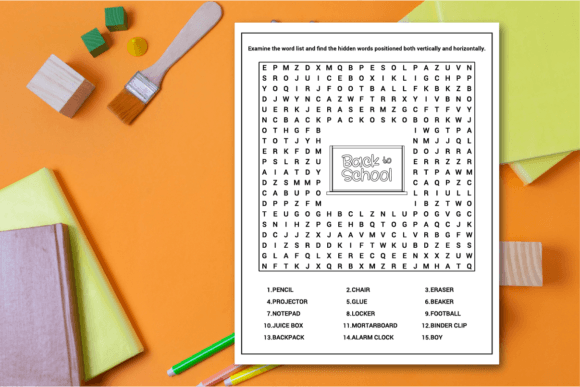
Back to School Search Vocabulary is a fun and educational activity designed to help children develop essential skills like spelling, reading, and critical thinking. It’s more than just a word search—it's an engaging way to spark curiosity and encourage learning through play. Whether you're a parent, teacher, or educator, this activity can be a valuable tool in your child's learning journey.
What Makes Back to School Search Vocabulary Unique?
Unlike traditional word searches, Back to School Search Vocabulary is tailored specifically for the back-to-school season. The vocabulary used is carefully selected to align with what students are learning at the beginning of the academic year. Words like "backpack," "homework," "classroom," and "teacher" are common examples that make the activity both relevant and relatable.
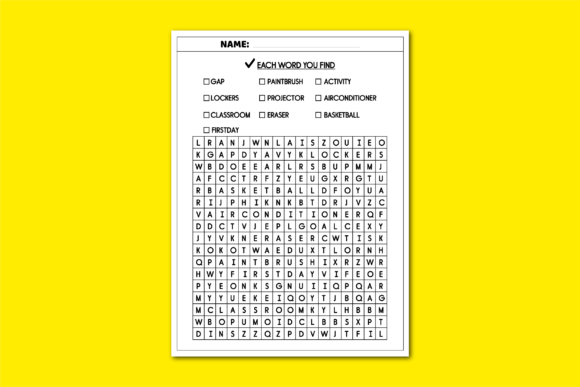
The challenge lies in the way words are hidden—sometimes horizontally left to right, sometimes vertically up to down, and even diagonally. This variation adds an extra layer of difficulty and keeps the game exciting. The complexity of the word search can be adjusted based on the child’s skill level, making it adaptable for different ages and abilities.
Why Is It Beneficial?
Back to School Search Vocabulary offers several benefits beyond just entertainment. It helps improve focus, concentration, and memory retention. By searching for words in a grid, children are exercising their cognitive skills in a playful manner. This type of activity also promotes problem-solving and perseverance as they work through each puzzle.
Additionally, it supports literacy development by reinforcing spelling and vocabulary knowledge. As children locate and identify words, they’re not only practicing reading but also building confidence in their language abilities. For educators and parents, this makes it an excellent resource for reinforcing classroom lessons or supplementing home learning.
How Can You Use Back to School Search Vocabulary?
Back to School Search Vocabulary can be used in a variety of settings. In the classroom, teachers can incorporate these puzzles into lesson plans to reinforce key terms related to the school year. At home, parents can use them as a quiet activity during car rides, waiting in line, or as a way to keep young learners engaged during downtime.
For homeschoolers, these puzzles offer a structured yet flexible approach to learning. They can be used as part of a broader curriculum to support reading, writing, and comprehension skills. Freelancers, bloggers, and content creators might find value in using these puzzles as part of their creative process, helping to stimulate ideas and inspire new content.
Small business owners and entrepreneurs may also benefit from incorporating Back to School Search Vocabulary into marketing strategies. Custom puzzles can be printed and given out as promotional items, creating a memorable experience for customers while subtly reinforcing brand messaging.
Practical Examples and Use Cases
- For Kids: A simple word search featuring words like “pencil,” “book,” and “desk” can be used as a morning activity to get the brain started.
- For Educators: Teachers can create custom puzzles with subject-specific vocabulary to support learning in math, science, or literature.
- For Parents: Print out a few puzzles and use them as a way to bond with your child while reinforcing important concepts.
- For Creative Professionals: Use the puzzles as a brainstorming tool to generate ideas for blog posts, social media content, or product names.
Important Considerations Before Getting Started
Before diving into Back to School Search Vocabulary, there are a few things to consider. First, determine the appropriate difficulty level based on the child’s age and reading ability. Too easy, and the activity may lose its challenge; too hard, and it could become frustrating.
Second, ensure that the vocabulary used is relevant and meaningful. Avoid including obscure or overly complex words that might confuse the learner. Instead, focus on words that are commonly encountered in a school setting or are part of the child’s current curriculum.
Third, consider the format. While many word searches come in digital formats, printing them out on high-quality paper ensures a better experience. The page size should be 8.5 x 11 inches, which is standard for most printers and provides ample space for clear visibility.
Finally, remember that the goal is to make learning enjoyable. Encourage your child to take their time, celebrate small victories, and view mistakes as part of the learning process. With patience and practice, Back to School Search Vocabulary can become a rewarding and enriching activity for all ages.
Note on Word Search
The words are hidden in various directions—horizontally left to right, vertically up to down, and even diagonally. This design element adds to the challenge and enjoyment of the activity, making it more engaging for children of all skill levels. The complexity can be adjusted based on the child’s engagement and progress, ensuring that the activity remains both stimulating and achievable.
With two pages total—including solutions—this format is perfect for both individual use and group activities. Whether you're looking for a quick distraction or a focused learning tool, Back to School Search Vocabulary offers a versatile and effective solution. I hope you enjoy exploring this fun and educational activity!